The last four months of 1944 had been very good for 100 Squadron, only two aircraft had been lost. JB603 finished the year on her 111th operation with a trip to Gelsenkirchen. It was the second and final occasion Flying Officer Scholey would fly JB603.
Flying Officer Reginald Barker and his crew had enjoyed a period of leave over Christmas. Their first operation in the New Year was with another of the Squadron centurions, ND458 ‘Able Mable’. This took place on the 2nd of January to Nuremberg.
That night Warrant Officer Evans had been flying JB603. Three nights later, these two Pilots and their crews would change places.
The target for Bomber Command on the night of January 5th would be Hannover. A force of 650 Lancasters and Halifaxes would attack in two phases.
The fifteen Lancasters from 100 squadron would be in the second phase, due over the target at 2150 hrs. They would route over the North Sea and cross the Dutch coast to a waypoint north of Hannover. Then they would approach the target area, head southwest, and cross back over the Netherlands.
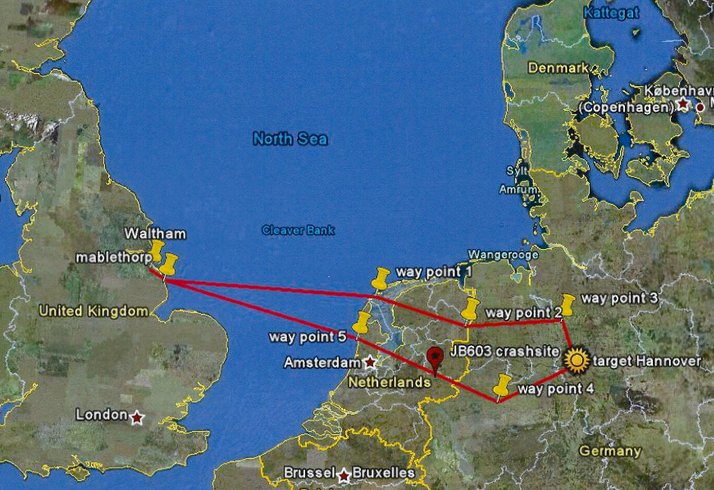
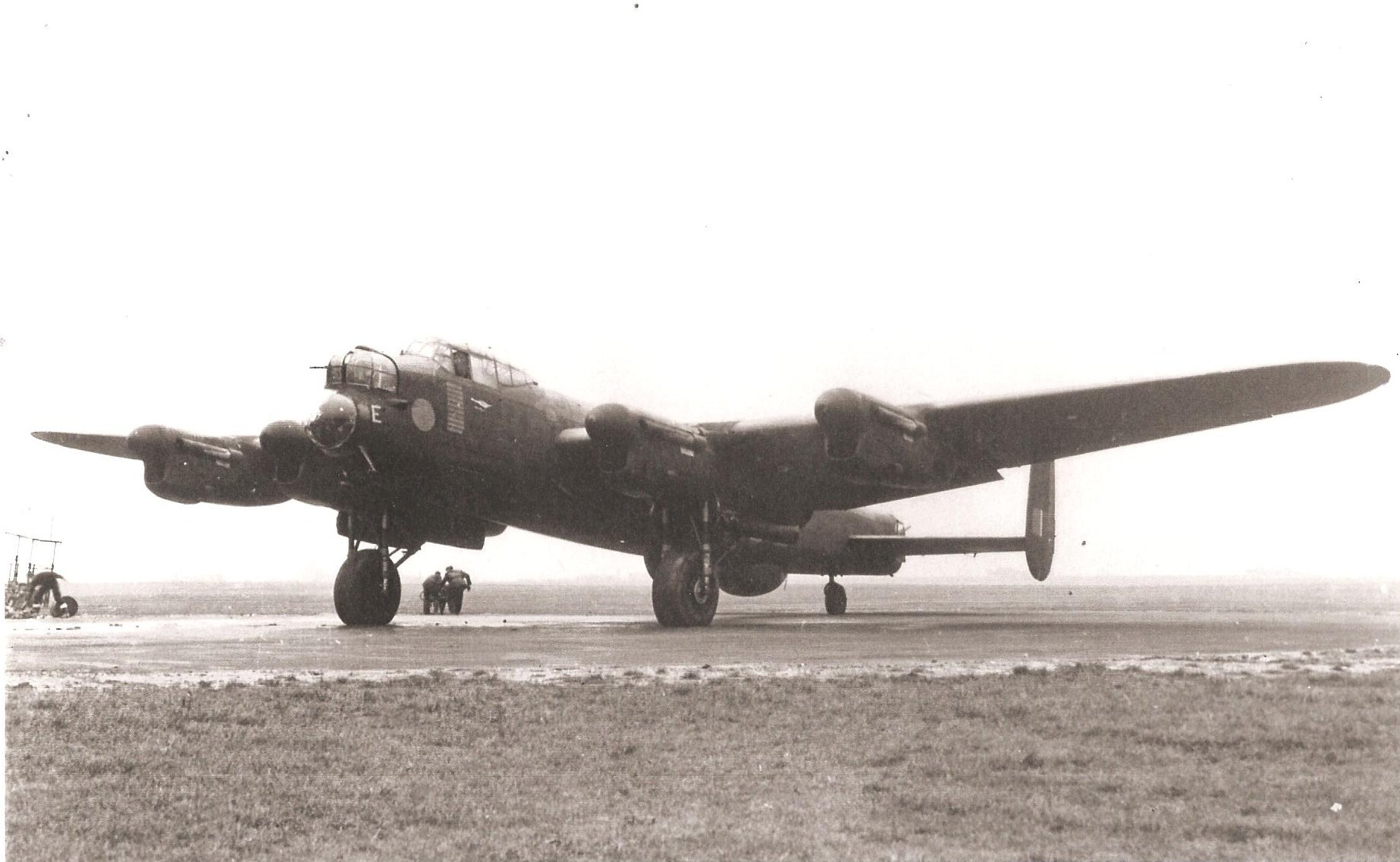
JB603 “Take it Easy” began her journey taking off from runway 36 at exactly 1910hrs. Aircraft in the Bomber stream would maintain radio silence as much as possible. This was to avoid detection. Group HQ at Bawtry Hall received the target attacked signal at 2206hrs. It was sent by Radio Operator Jack Murray Clyde Wilson.
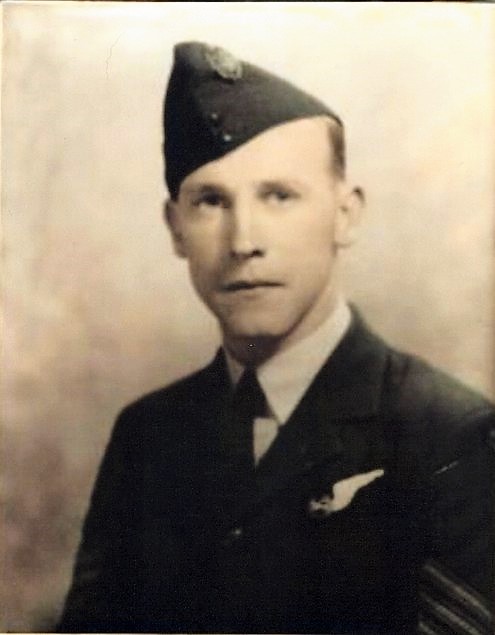
Having dropped her bombs JB603 turned for home, this night would be her last. Leutnant Rolf Ebhardt of 8./NJG1 was based at Stormede in Westphalia.
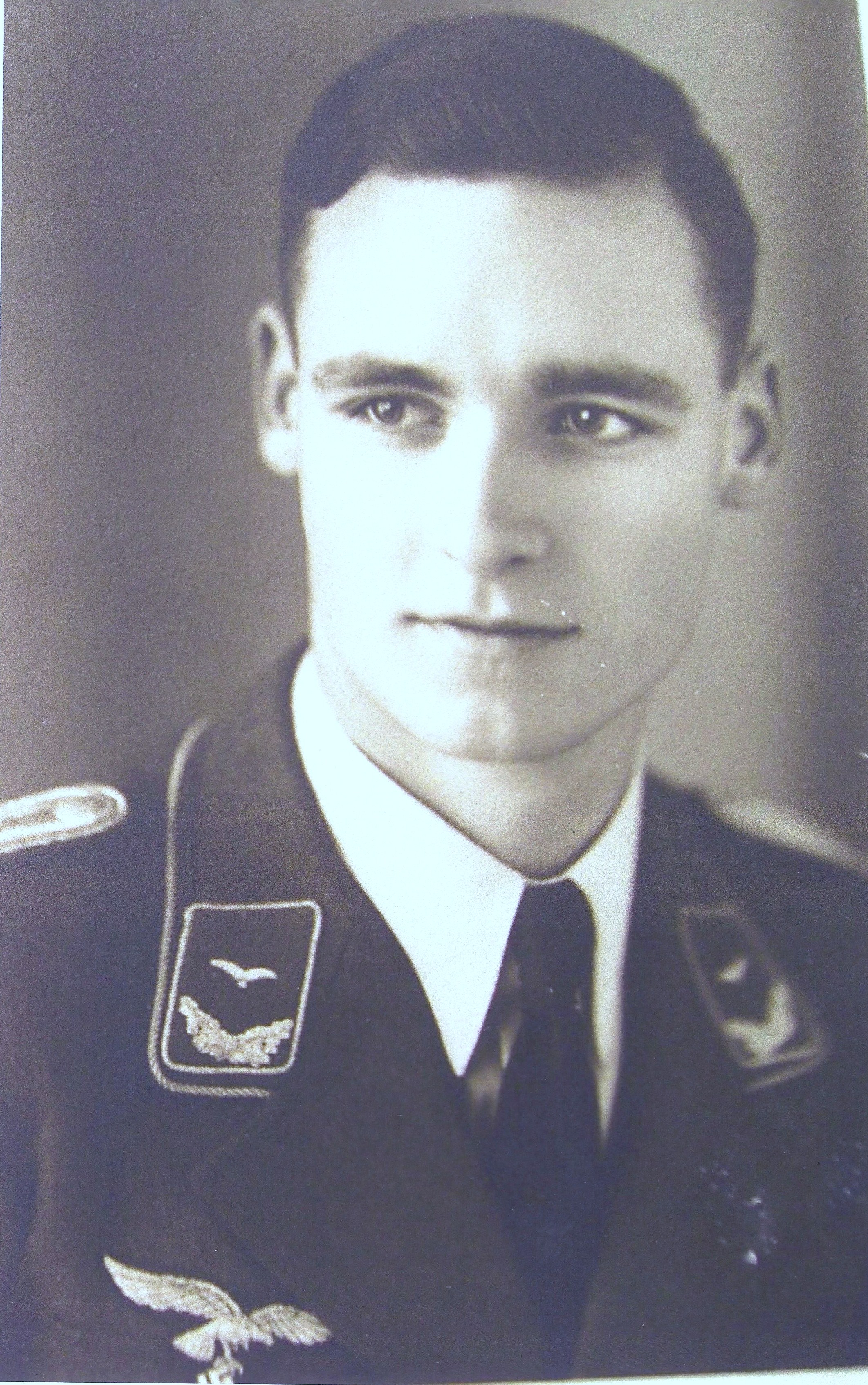

At last orders to take off., we start the engines and taxi out and take off full power. We are to go for the returning bombers heading back from Hannover.
I fly a large circle. That should be about right. I had barely completed it when the first target appears on the SN2 radar coming from the starboard and we get ourselves behind him but he is pretty fast and escapes us. So full power, we go after him. He seems to have noticed something and tries to get away, also on full power. I close in very slowly. My hope is that the British pilot would perhaps throttle back once he had deemed the danger to be over.
Slowly we get closer and at 200 metres I was able to make out the enemy aircraft. From the reddish. Exhaust flames. I can tell it’s a Lancaster, (Halifax Flames were blueish). I prefer to use my upward firing guns, I tried to arm them, but nothing happens, No pneumatic power? Jammed? I don’t know. So, I attacked from behind and below. At 100 metres range. I let the Lancaster fly through my burst of fire. I am momentarily blinded by the bright muzzle flash of my guns. Have I hit him? He suddenly tips over onto his port wing and dives away into the darkness below. Then, seconds later, a bright flash, after which time he goes down burning., crashes and the fire is extinguished.

